Septic Field Installation in Columbus, OH
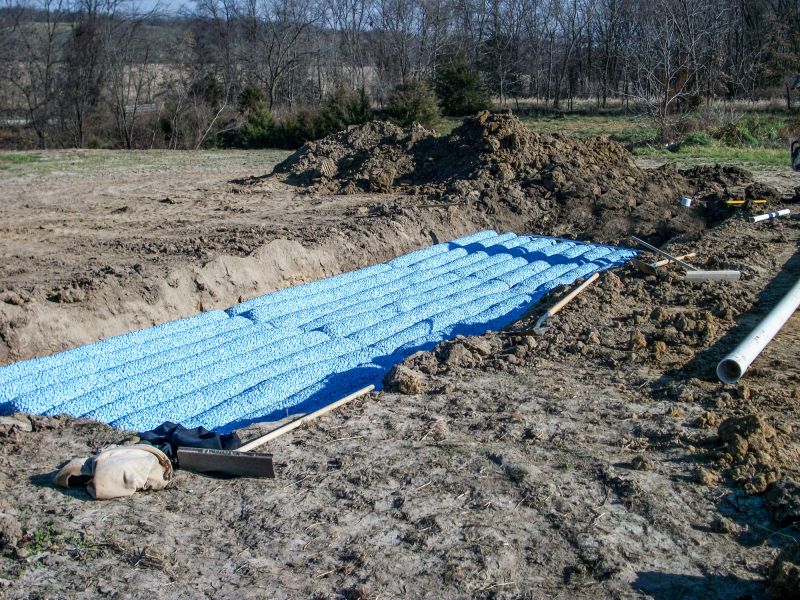
Septic field installation is a vital service for homeowners who rely on a septic system to manage wastewater. This process involves setting up a drain field that safely distributes treated sewage into the soil, ensuring proper sanitation and preventing potential health hazards. Projects typically include installing new septic fields for properties without existing systems, replacing or upgrading outdated or failing fields, and expanding current systems to accommodate additional usage. Property owners often want to understand the size and layout requirements for their land, local regulations governing septic systems, and the importance of proper site assessment before installation.
Before requesting septic field installation, property owners should consider factors such as soil type, property size, and accessibility for equipment. Understanding local codes and permitting requirements is also essential to ensure compliance. Additionally, it’s helpful to evaluate the future needs of the household or business to determine the appropriate system size. Clear communication about site conditions and potential limitations can facilitate a smoother installation process and help ensure the septic system functions effectively for years to come.
Many property owners in Columbus, OH look into Septic Field Installation for repairs, replacements, upgrades, and appearance-related improvements.
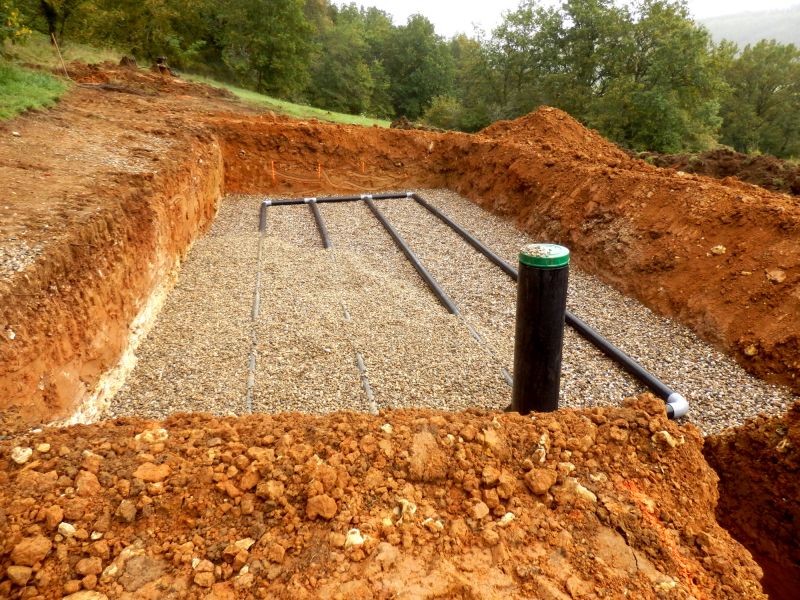
Septic Field Design And Planning
Proper planning ensures optimal function and longevity of your septic system.
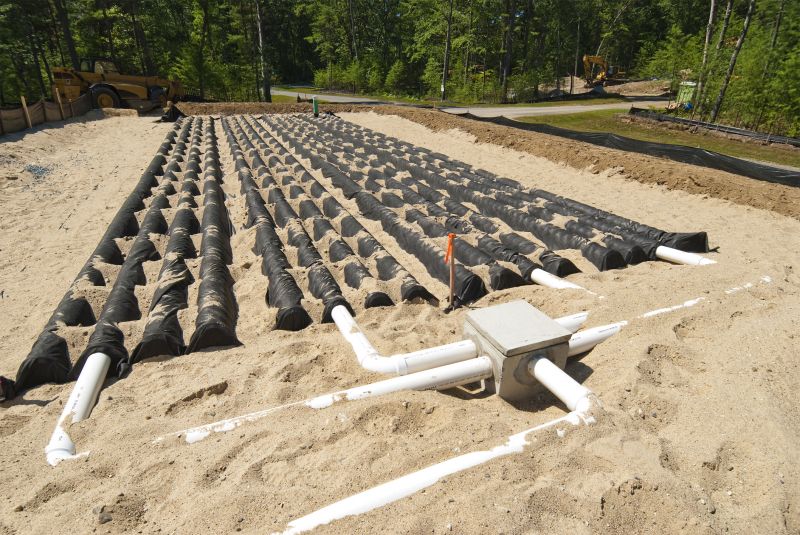
Installation And Site Preparation
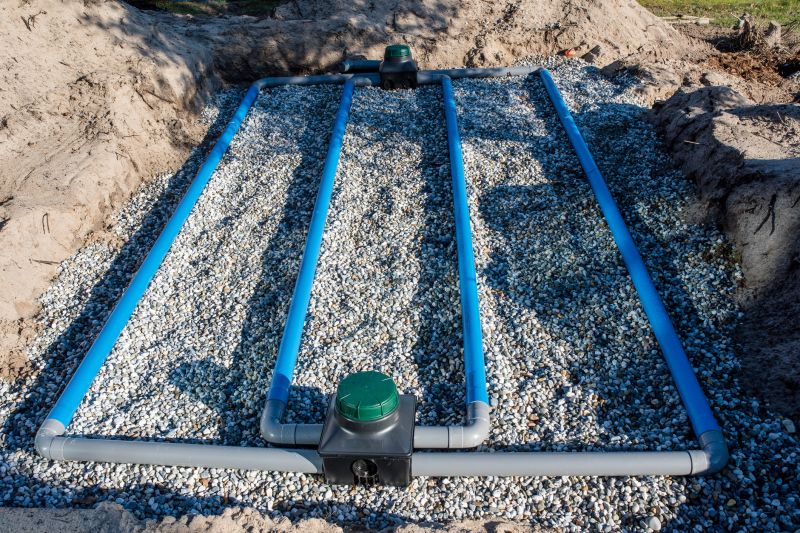
Septic field installation involves preparing the site and installing the necessary components for effective waste management.
Maintenance And System Care
Regular maintenance helps prevent system failures and extends the lifespan of your septic field in columbus, oh.
Septic Field Installation in Columbus, OH

Septic field installation is a vital service for homeowners who rely on a septic system to manage wastewater. This process involves setting up a drain field that safely distributes treated sewage into the soil, ensuring proper sanitation and preventing potential health hazards. Projects typically include installing new septic fields for properties without existing systems, replacing or upgrading outdated or failing fields, and expanding current systems to accommodate additional usage. Property owners often want to understand the size and layout requirements for their land, local regulations governing septic systems, and the importance of proper site assessment before installation.
Before requesting septic field installation, property owners should consider factors such as soil type, property size, and accessibility for equipment. Understanding local codes and permitting requirements is also essential to ensure compliance. Additionally, it’s helpful to evaluate the future needs of the household or business to determine the appropriate system size. Clear communication about site conditions and potential limitations can facilitate a smoother installation process and help ensure the septic system functions effectively for years to come.
Many property owners in Columbus, OH look into Septic Field Installation for repairs, replacements, upgrades, and appearance-related improvements.
Common Septic Field Installation Jobs
Septic Field Design - Planning the layout to ensure proper drainage and system efficiency.
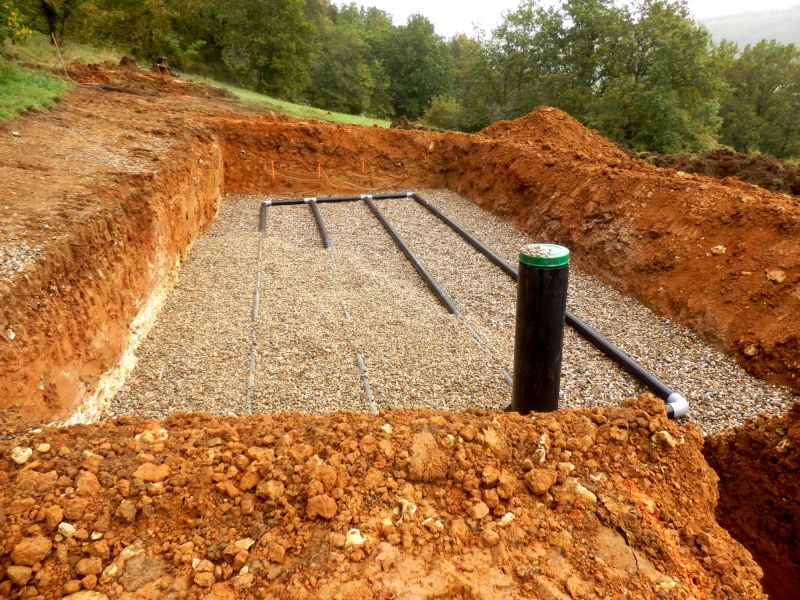
Septic Drain Field Installation - Setting up the underground system that treats household wastewater.
Replacement of Septic Drain Fields - Removing and replacing aging or failed drain fields.
Septic System Expansion - Extending the drain field to accommodate property or household growth.
Soil Evaluation for Drain Fields - Assessing soil conditions to determine the best location and system type.
Drain Field Repair Services - Fixing issues such as clogs or leaks to restore proper function.


Septic Field Installation Questions
What is a septic field installation? It is the process of setting up a drainage system that treats and disperses wastewater from a property.
How do I know if my property needs a new septic field? Signs include standing water, bad odors, or backups in plumbing fixtures, indicating the current system may be failing.
What types of septic field systems are available? Common options include traditional gravel beds, chamber systems, and mound systems, depending on site conditions.
What should property owners consider before installation? Factors like soil type, property size, and local regulations influence the design and placement of the septic field.
Request Septic Field Installation in Columbus, OH
Use the quote form on this page to share the basics of your project and request more information for the type of work you need.