Septic Field Installation in Denver, CO
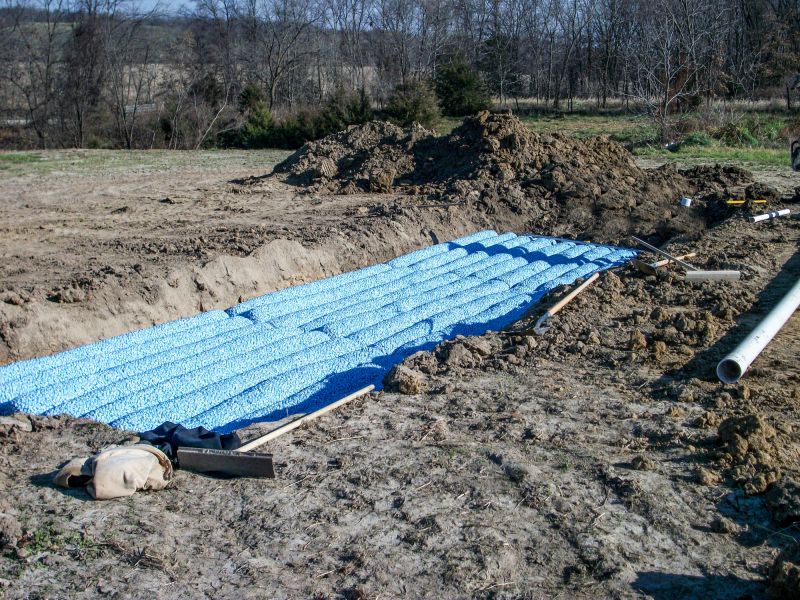
Septic field installation involves setting up the underground drainage system that treats and disperses wastewater from a property’s septic tank. This service typically covers new construction projects, property upgrades, or replacements of aging or malfunctioning systems. Homeowners often seek septic field installation to ensure proper waste management, prevent potential backups, and meet local health and safety standards. Before requesting this service, property owners should consider factors such as the size of the property, soil conditions, and local regulations that influence the type and design of the septic system needed.
Understanding the scope of septic field installation can help homeowners prepare for the project. It’s important to evaluate the property’s layout, including the distance from the septic system to wells, buildings, and property lines. Additionally, property owners usually want to know about site preparation, the type of materials used, and any permits that might be required. Proper planning ensures the septic system functions effectively and complies with local codes, supporting long-term wastewater management for the property.
Many property owners in Denver, CO look into Septic Field Installation for repairs, replacements, upgrades, and appearance-related improvements.
Septic Field Design And Planning
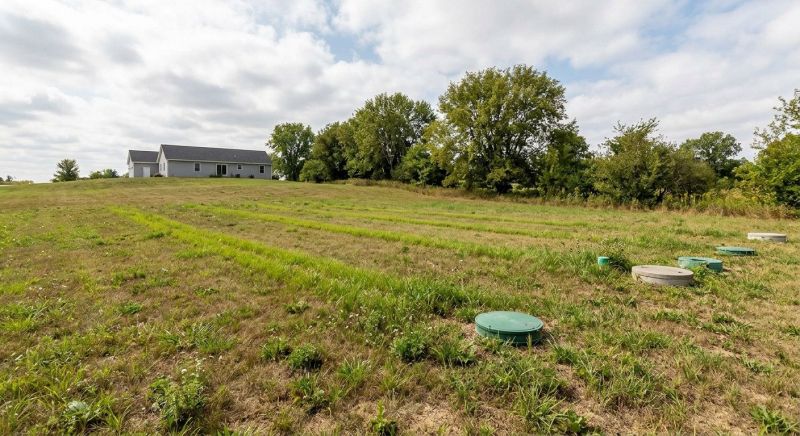
Proper planning ensures effective wastewater management for residential and commercial properties in denver and nearby areas.
Septic System Installation Process
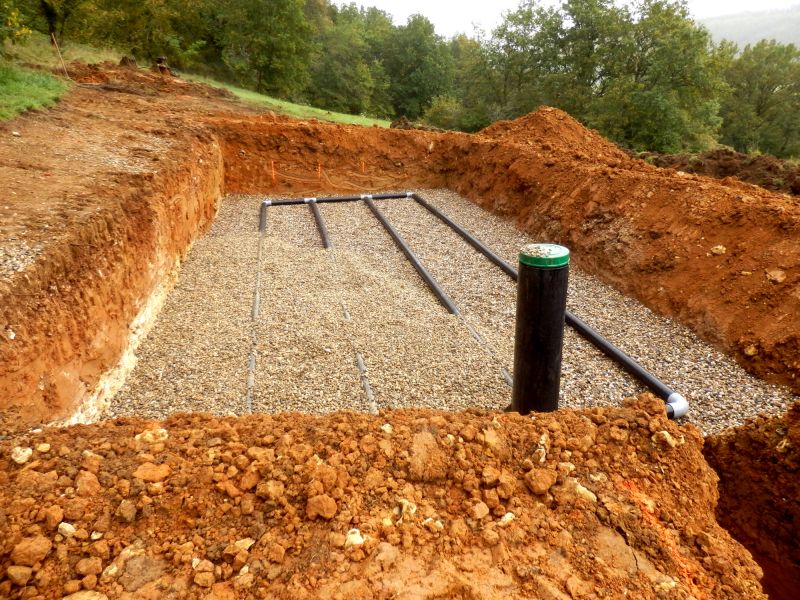
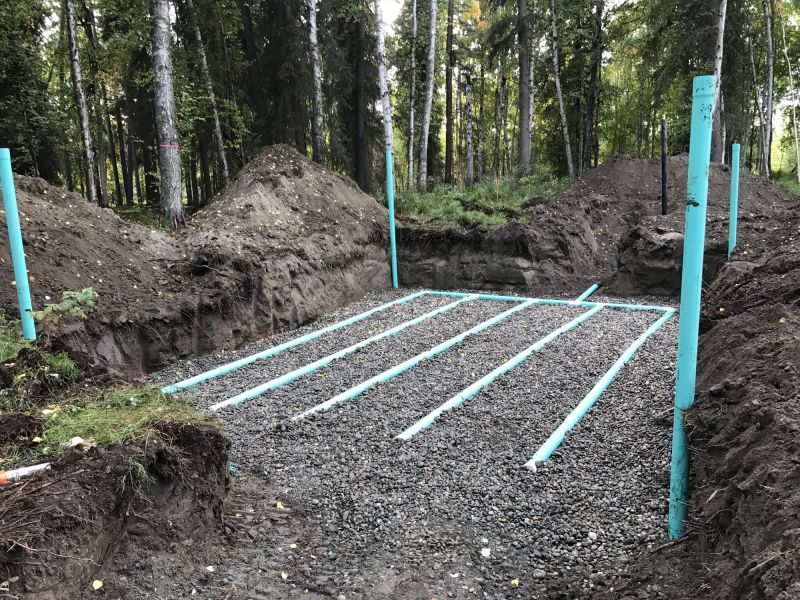
Installation involves site preparation, trenching, and system setup to ensure reliable operation and compliance with local codes.
Maintenance And Inspection Services
Regular inspections and maintenance help prolong the lifespan of septic fields and prevent costly system failures.
Septic Field Installation in Denver, CO

Septic field installation involves setting up the underground drainage system that treats and disperses wastewater from a property’s septic tank. This service typically covers new construction projects, property upgrades, or replacements of aging or malfunctioning systems. Homeowners often seek septic field installation to ensure proper waste management, prevent potential backups, and meet local health and safety standards. Before requesting this service, property owners should consider factors such as the size of the property, soil conditions, and local regulations that influence the type and design of the septic system needed.
Understanding the scope of septic field installation can help homeowners prepare for the project. It’s important to evaluate the property’s layout, including the distance from the septic system to wells, buildings, and property lines. Additionally, property owners usually want to know about site preparation, the type of materials used, and any permits that might be required. Proper planning ensures the septic system functions effectively and complies with local codes, supporting long-term wastewater management for the property.
Many property owners in Denver, CO look into Septic Field Installation for repairs, replacements, upgrades, and appearance-related improvements.
Common Septic Field Installation Jobs
Septic Field Installation - Proper installation ensures effective wastewater treatment for residential properties.
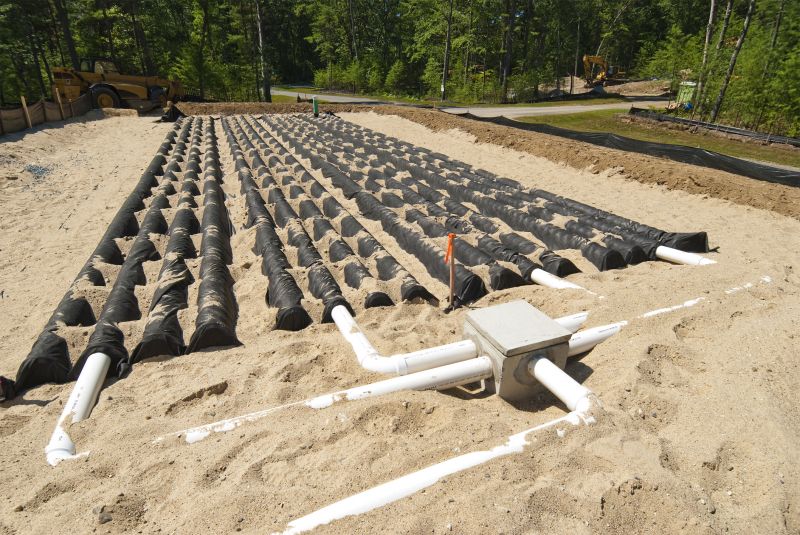
Drainfield Design - Customized drainfield layouts optimize soil absorption and system longevity.
Soil Testing - Soil evaluations identify suitable locations for septic drainfields.
System Planning - Site assessments help determine the best placement for septic components.
Septic System Setup - Installation of drainfields involves trenching, piping, and soil preparation.
Maintenance Planning - Properly installed systems support reliable operation and reduce future issues.

Septic Field Installation Questions
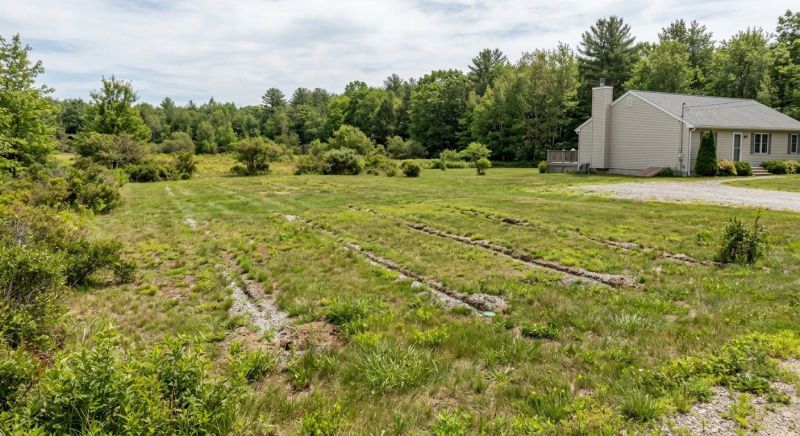
What is a septic field? A septic field is an underground area where wastewater from a property is naturally filtered and absorbed into the soil.
How do I know if my property needs a new septic field? Signs include slow draining fixtures, foul odors, or standing water near the septic area, indicating the system may be failing.
What types of septic fields are available? Common options include traditional drain fields and mound systems, selected based on soil conditions and property layout.
What factors influence septic field installation? Soil type, property size, and local regulations are key considerations in planning a septic field installation.
Request Septic Field Installation in Denver, CO
Use the quote form on this page to share the basics of your project and request more information for the type of work you need.